
France
Bullion gold coin
South Africa




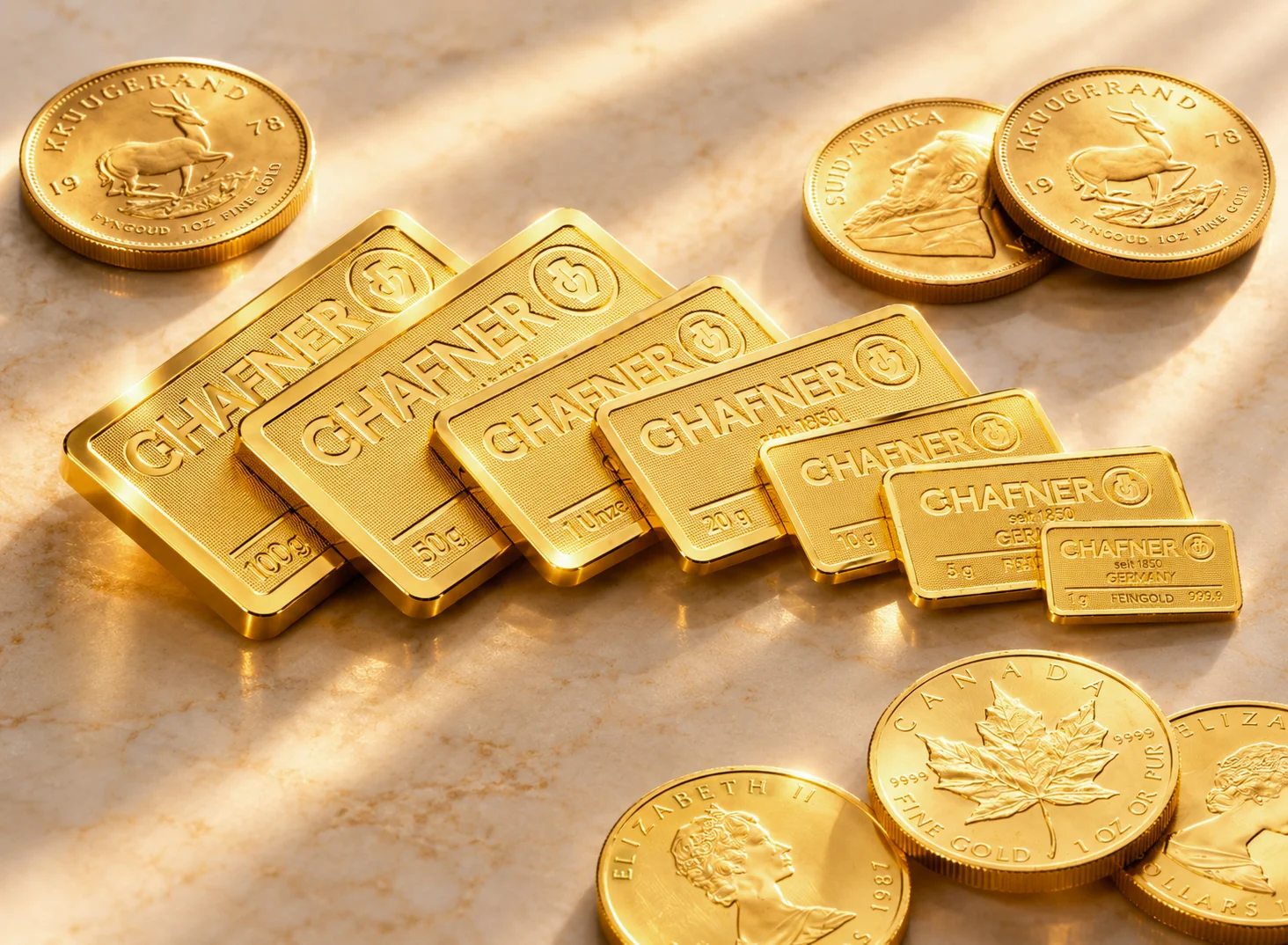
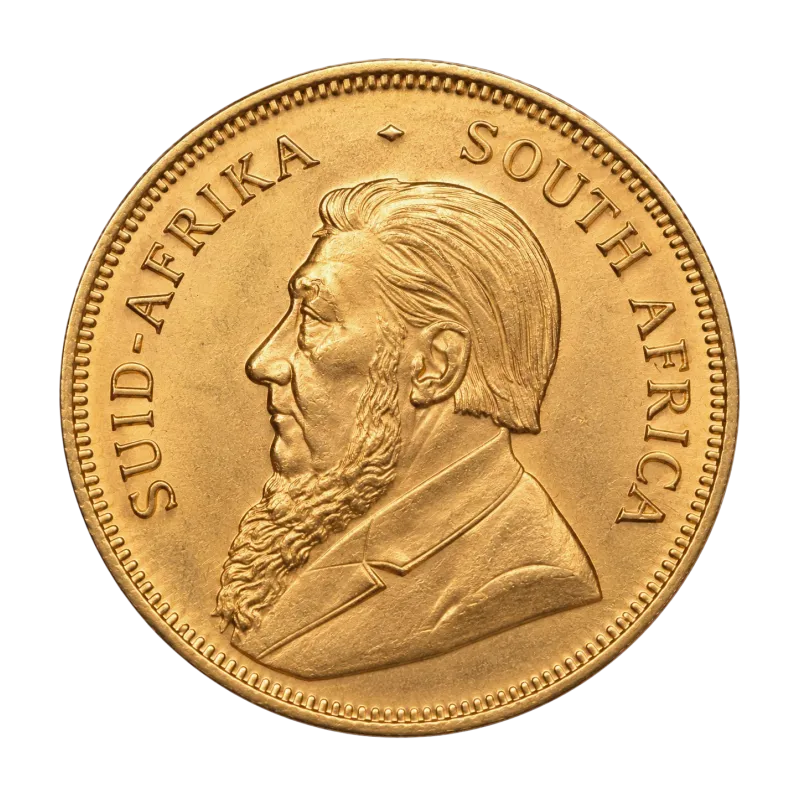
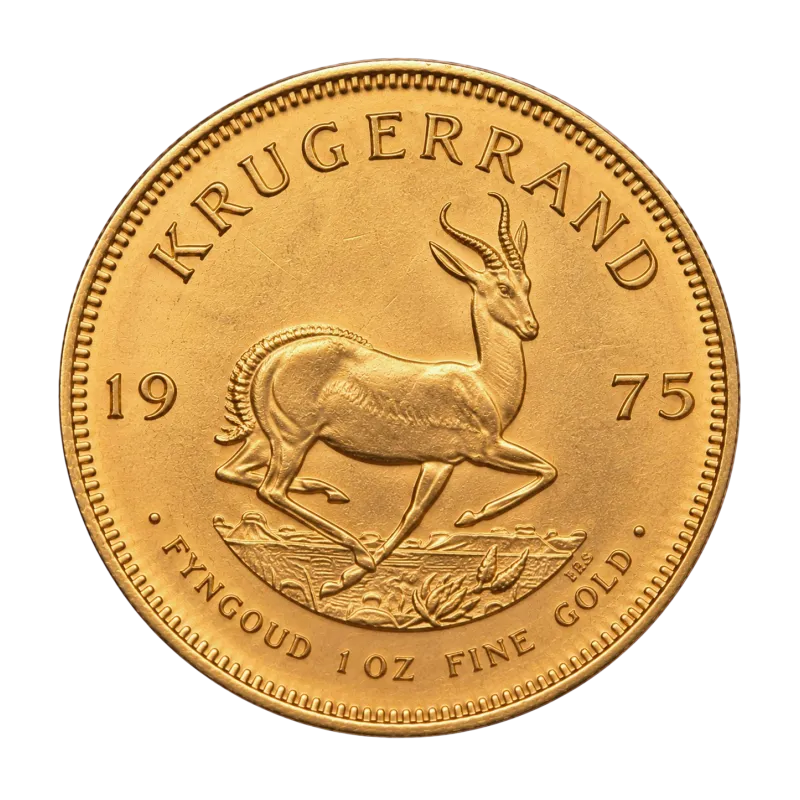
The 1 oz Krugerrand is a South African gold coin minted by the South African Mint since 1967. It was designed from the outset for gold investment rather than everyday monetary circulation. Recognisable by its portrait of Paul Kruger and leaping springbok, it weighs 33.93 grams and has a gold fineness of 916.7‰ (22 carats), containing one troy ounce of fine gold (approximately 31.1035 g). The example featured on this page is dated 1975. Through its international distribution and its history shaped by sanctions imposed in response to apartheid, the Krugerrand remains one of the best-known gold investment coins today.
In 1967, the Krugerrand was developed at the initiative of the Chamber of Mines of South Africa, with a clear objective: to promote South African gold in overseas markets and encourage private ownership of physical gold. Its production involved two institutions with distinct responsibilities. Rand Refinery, established in 1920 by the Chamber of Mines to refine gold mined in the country, was responsible for refining the metal, while the coin itself was struck by the South African Mint. The first coin was minted on 3 July 1967.
Its name combines that of Paul Kruger, President of the South African Republic (Transvaal) from 1883 to 1900, with the rand, South Africa’s currency, itself named after the Witwatersrand, the mining region that helped establish the country’s gold wealth.
This investment-oriented purpose distinguishes the Krugerrand from historical coins originally intended for everyday transactions. Its sale to private investors accompanied the growth of physical gold ownership over the following decades.
The obverse features a portrait of Paul Kruger created by engraver Otto Schultz in the late 19th century for coins of the South African Republic. This portrait was adopted as the model for the Krugerrand when it was introduced in 1967.
The reverse depicts a leaping springbok in the characteristic movement known as pronking. This design, created by sculptor Coert Steynberg, first appeared in 1947 on the South African five-shilling coin, before being used on other South African coins and eventually on the Krugerrand from 1967 onwards.
The obverse bears the bilingual inscription “SUID-AFRIKA · SOUTH AFRICA”, identifying the issuing country. The reverse, featuring the springbok, carries the name “KRUGERRAND”, the year of minting and the inscription “FYNGOUD 1 OZ FINE GOLD”, meaning “one ounce of fine gold”, expressed in Afrikaans and English.
Introduced by the South African Mint in 1967, the Krugerrand quickly gained popularity in the international gold market during the 1970s. Its success was driven by demand from private investors in Europe and North America, against the wider backdrop of the expanding investment gold market during that decade.
As part of the economic sanctions imposed against South Africa’s apartheid regime, several Western countries restricted imports of the Krugerrand during the 1980s, each according to its own timetable and legal arrangements. In the United States, the prohibition was introduced through Executive Order 12535, signed on 1 October 1985 and effective from 11 October 1985, and subsequently reinforced by the Comprehensive Anti-Apartheid Act of 1986. The American measure was revoked on 10 July 1991 by Executive Order 12769, as South Africa began dismantling its apartheid system.
The Krugerrand has a theoretical gross weight of approximately 33.93 grams, a gold fineness of 916.7‰ (22 carats) and a diameter of 32.69 mm, according to specifications published by the South African Mint. It therefore contains approximately 31.1035 grams of fine gold, equivalent to one troy ounce. The remaining alloy, composed mainly of copper, makes the coin more resistant to wear than pure 24-carat gold. This composition is sometimes referred to as crown gold.
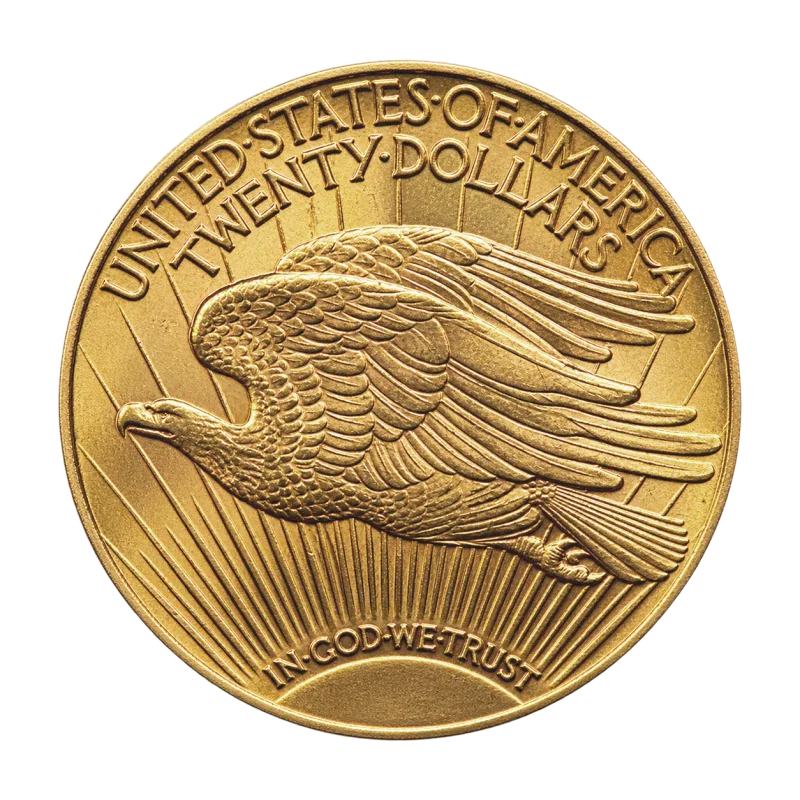
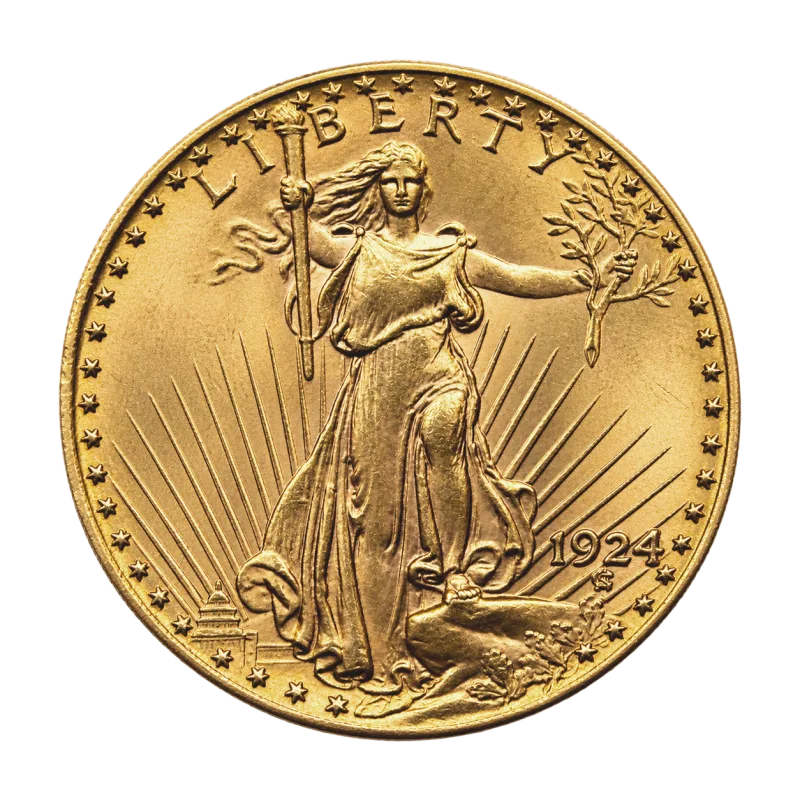
Its gross weight is close to that of the US $20 Double Eagle (approximately 33.436 g), but the two coins differ in fineness: 916.7‰ for the Krugerrand, compared with 900‰ for the US $20 Double Eagle.
The example featured on this page is dated 1975, with the four digits of the year divided on either side of the springbok on the reverse.
This is a frequently asked question: the designation “1 oz” refers to the amount of fine gold contained in the coin, approximately 31.1035 grams, rather than its total weight. The coin’s gross weight of approximately 33.93 grams also includes the copper in its 916.7‰ alloy. Unlike a pure gold coin (24 carats), the Krugerrand combines gold with this harder metal, explaining the difference between its fine gold content and its total weight.
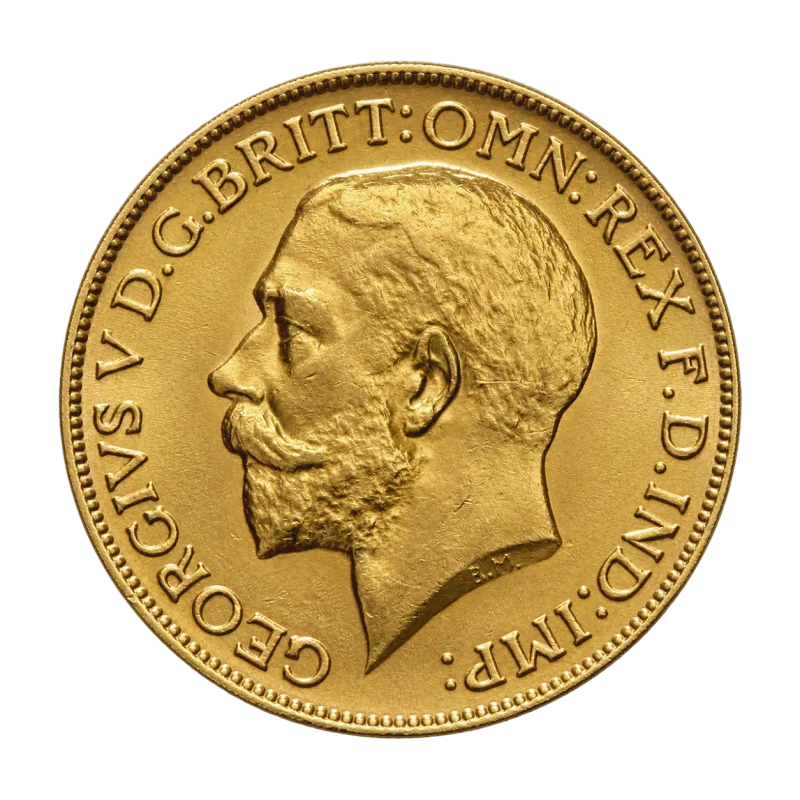
Like the US $20 coin, which bears the inscription “TWENTY DOLLARS” on its reverse, several coins in this catalogue display a denomination directly on the coin. The George V Gold Sovereign is a partial exception: its legal denomination of one pound sterling is not inscribed on the coin.
The Krugerrand bears no numerical face value. Nevertheless, it is legal tender in South Africa: its value is linked to the price of gold rather than a fixed nominal amount.
The weight, diameter, inscriptions, relief details and reeded edge must all be examined together. None of these characteristics, taken individually, is sufficient to establish a coin’s authenticity. A photograph or an approximate weight measurement cannot replace a physical examination. If there is any doubt, the opinion of a qualified numismatic professional is necessary.
The value of a Krugerrand is primarily based on the 31.1035 grams of fine gold it contains, equivalent to one troy ounce, whose price follows movements in the gold market. Its value therefore changes continuously and does not correspond to any fixed amount.
The price of a Krugerrand can vary depending on movements in the gold price, the coin’s condition and market conditions. Some examples may also have particular numismatic interest, notably because of their date or state of preservation, although this does not apply to all coins in circulation.
A coin’s state of preservation can also influence its price. The 1975 date shown on the example featured here does not, in itself, establish rarity or justify assuming a particular numismatic premium. Such an assessment requires a direct examination of the coin and, where appropriate, the opinion of a qualified numismatic professional.
Only a direct examination can establish the condition of a Krugerrand and provide an appropriate valuation, taking into account both the gold price and the individual characteristics of the coin being examined, rather than relying on a generic price applied to every coin of the same type.
Explore the collection
Other coins, other eras, one shared history of gold.
France
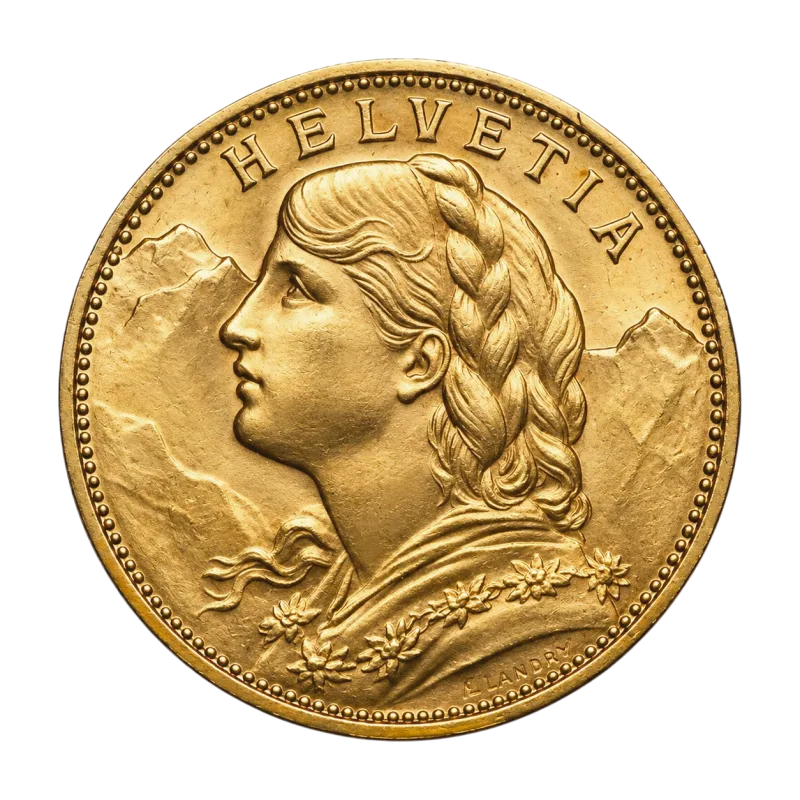
Switzerland
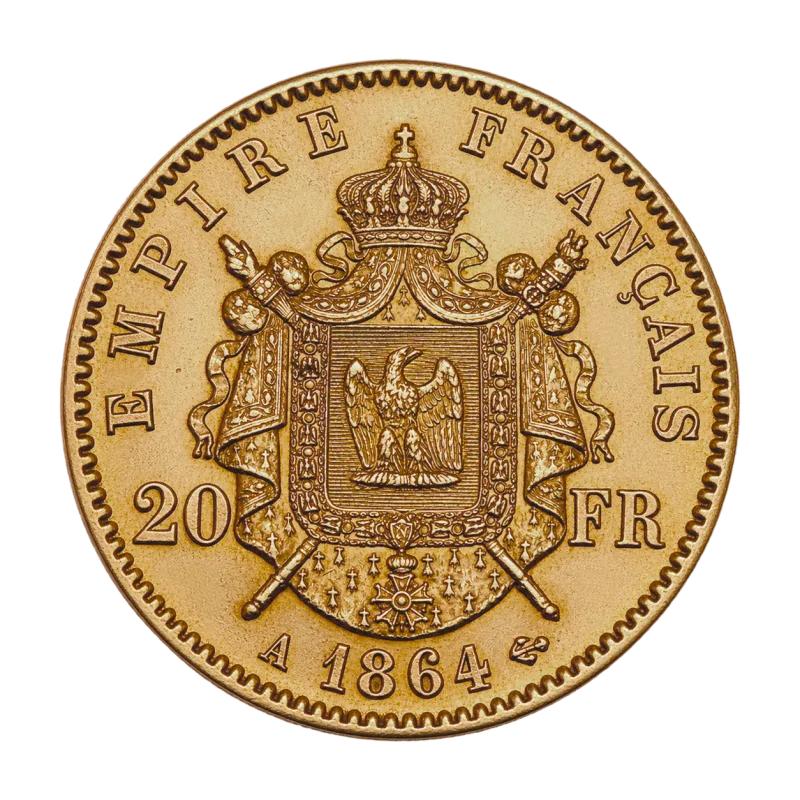
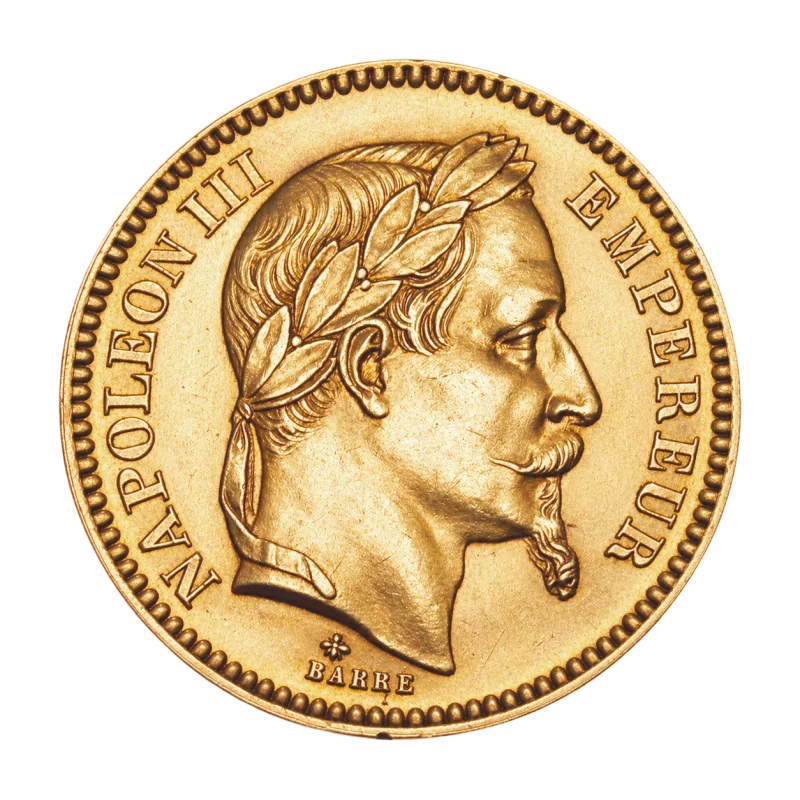
France
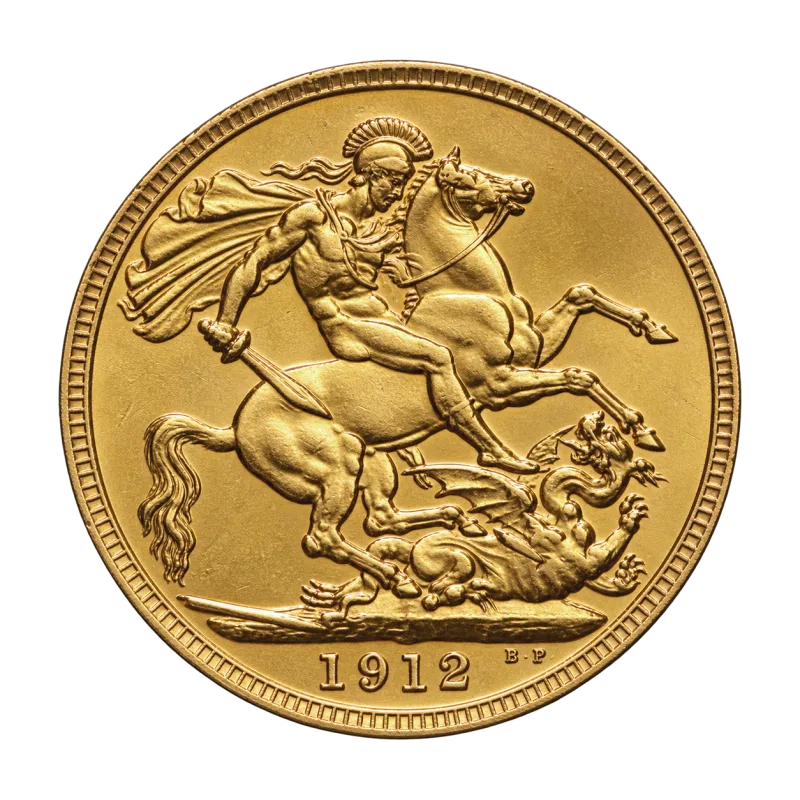
United Kingdom
Mexico
United States
Germany
United States
Discover all the gold coins in our numismatic collection.